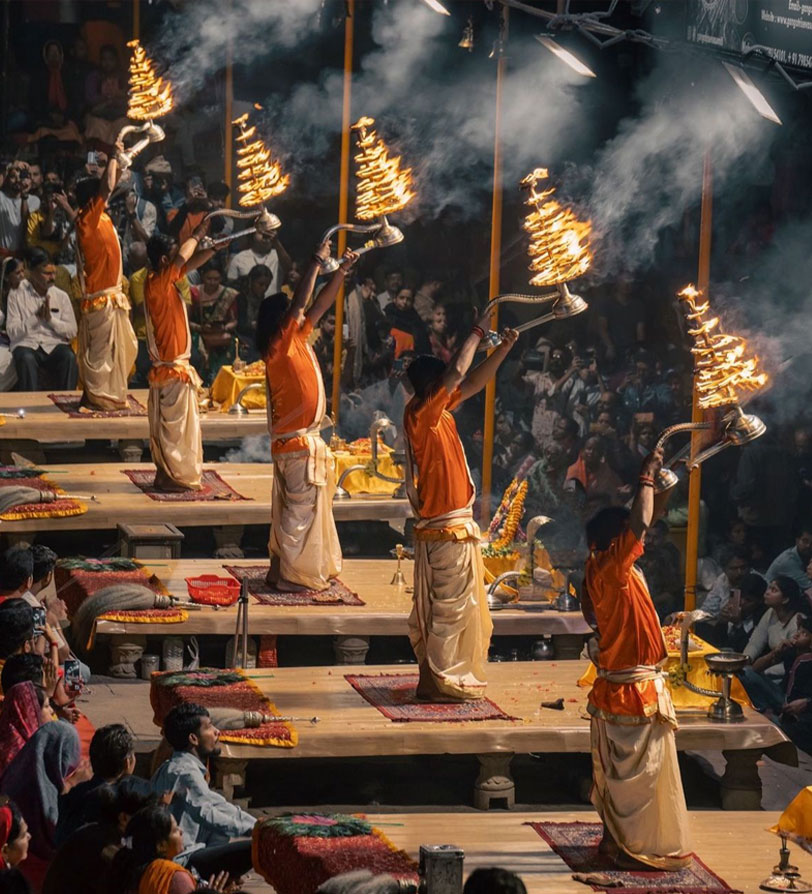
For the first time I went to the Brihadisvara temple at Thanjavur, I didn’t get a picture. There lay a thousand years of granite above me and my phone felt rude. This is how South Indians treat people. Heritage is not behind glass, it is walked, touched and sometimes shared with a priest lighting the lamps at dusk.
The south is a veritable treasure chest if you’re looking to travel around UNESCO World Heritage sites. It’s an honest confession, but depending on how you count, some lists include Goa, and some count the Nilgiri Mountain Railway separately, for a different number. I have now decided to settle at seven main sites in Karnataka, Tamilnadu, Kerala, Telangana and have made one more at the end. Let’s go.
1. Hampi, Karnataka
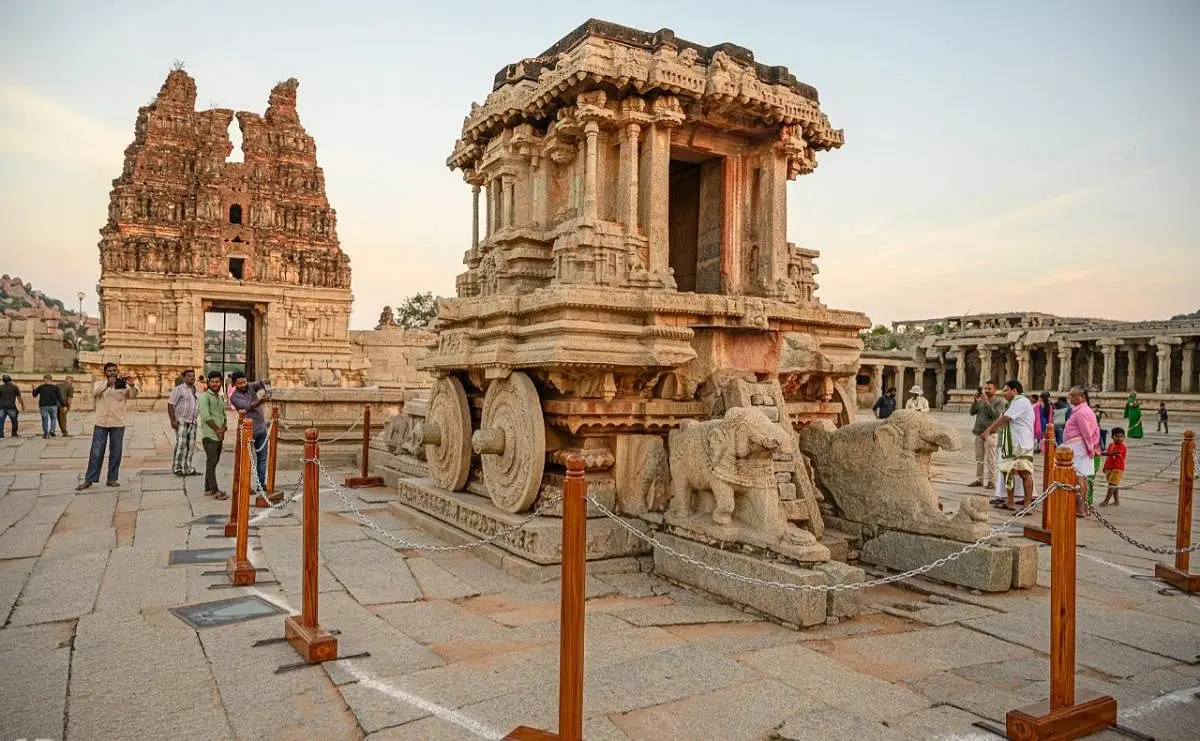
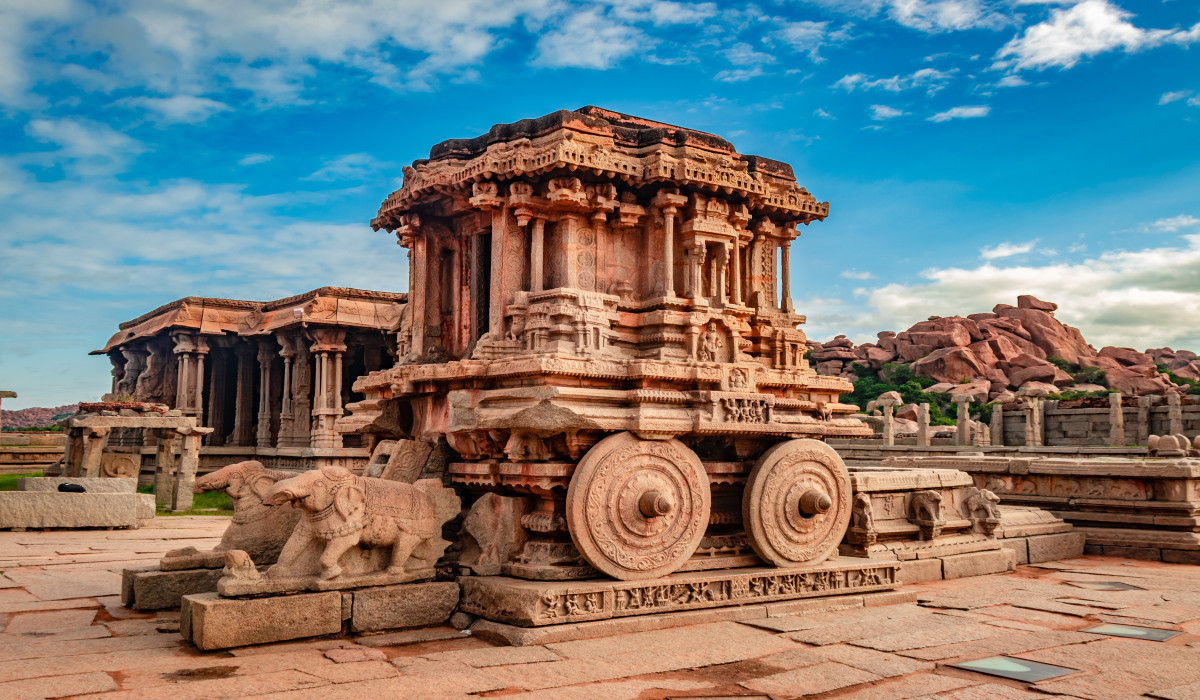
Everyone’s talking about Hampi, and it’s well deserved. The ruins of the Vijayanagara Empire, inscribed in 1986, lie strewn about a pebble strewn landscape on the banks of the Tungabhadra River. The famous stone chariot can be found at the Vittala Temple, the tall Gopuram of Virupaksha and the Lotus Mahal is located in the Royal Centre.
Allow at least 2 days. Hire a bicycle or a tuk-tuk and head up Matanga Hill at sunrise for a reward of sight. The closest railway station is Hosapete, 13km from the village.
2. Pattadakal, Karnataka

Pattadakal is very little, very quiet and very smart. The group of 7th and 8th century temples constructed by the Chalukyas is inscribed in 1987, and is rare to find in India, with the northern (Nagara) style and the southern (Dravidian) style side by side.
Most of the visitors stay in Badami and visit Pattadakal with nearby Aihole in a single day. Do it in the late afternoon after the sandstone has turned into the color of honey.
3. Sacred Ensembles of the Hoysalas, Karnataka

The latest addition to Karnataka is the temples of Belur, Halebidu and Somanathapura from 2023. Carefully examine the walls. In stone as fine as jewellery, every inch is engraved with dancers, elephants, gods and small scenes from the epics.
It is about 16 km from Belur to Halebidu, which is easy from Hassan. Somanathapura is close to Mysuru, making it perfect for Bengaluru – Mysuru circuit.
4. Great Living Chola Temples, Tamil Nadu
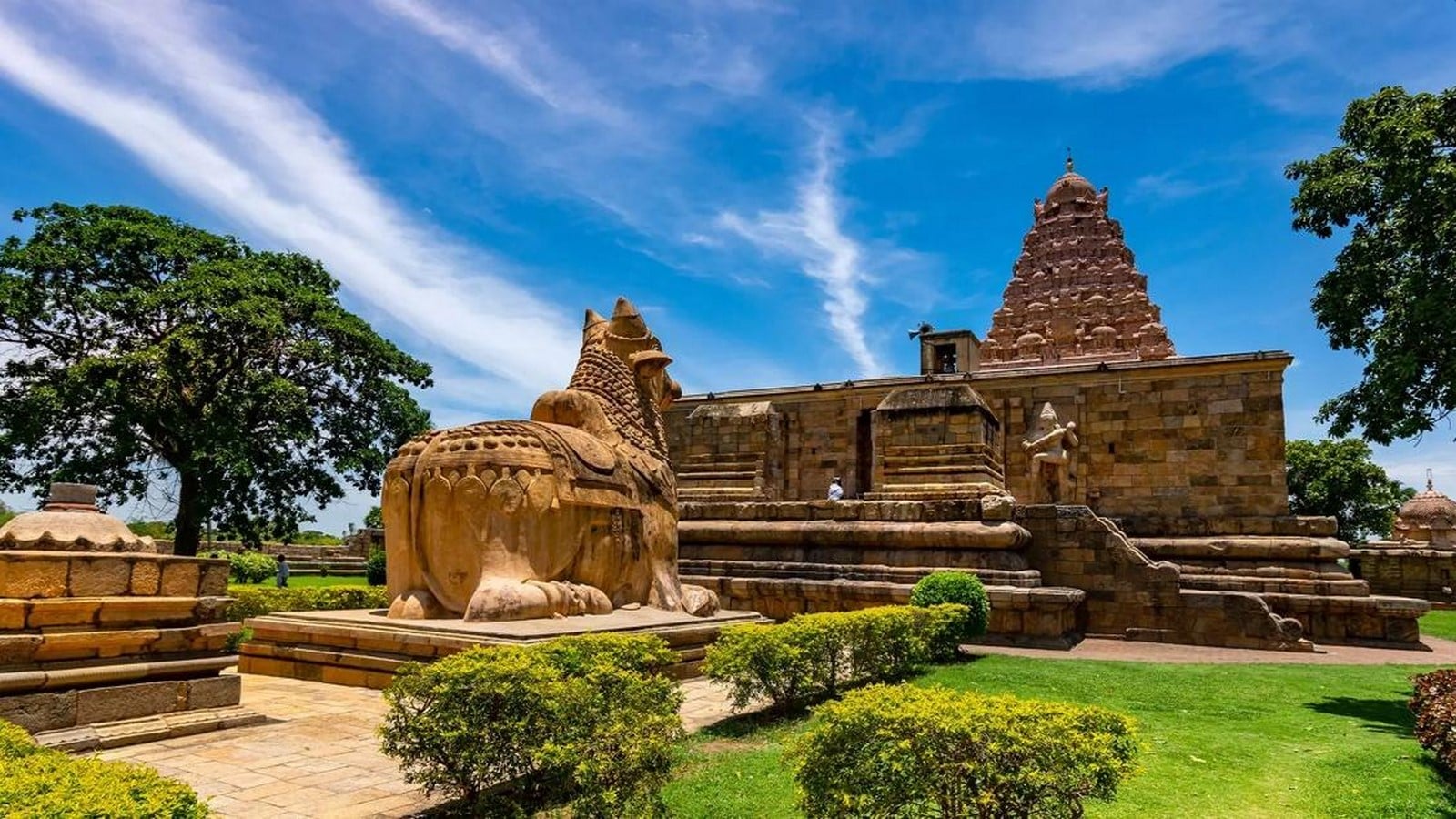
This is actually three temples, Brihadisvara at Thanjavur, Gangaikonda Cholapuram and Airavatesvara at Darasuram. They are called “living” because worship has been in progress for 1000 years.
The show-stopper is Thanjavur with a vimana 66 metres in height. Darasuram is somewhat smaller, but features some of the most delicate sculpture of the south. Stay at Thanjavur / Kumbakonam and travel to all three places in two days including a bite to get filter coffee of course.
5. Group of Monuments at Mahabalipuram, Tamil Nadu

The monuments are from the Pallava period, dating back to the 7th and 8th centuries, and are located on the shores of the Bay of Bengal. The Shore Temple, the monolithic Five Rathas and the enormous relief of the Descent of the Ganges all from that era when this was a bustling port.
It’s about 55 km from Chennai which you can make a day trip, but an overnight stay allows you to admire the Shore Temple at sunrise without all the crowds.
6. Western Ghats, Kerala, Karnataka and Tamil Nadu
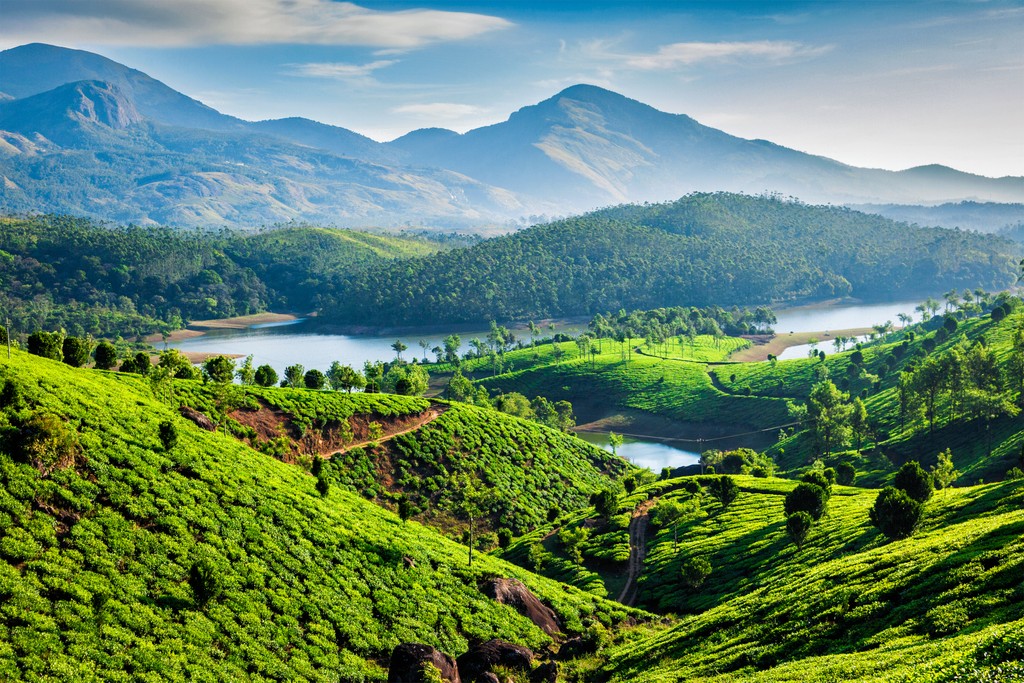
Not all heritage sites are made of stone! Created in 2012, the Western Ghats are one of the world’s biodiversity hotspots, older than the Himalayas, and where the tigers, lion-tailed macaques and countless plants exist that are unique to the region.
The property is divided up into 39 components, which will not let you “do” this at one time. Practical options are Munnar, Kerala or Thekkady (Periyar) in Kerala, or the forests near Kodagu, Karnataka. Choose one or two and bring a rain jacket if traveling June-September.
7. Kakatiya Rudreshwara (Ramappa) Temple, Telangana

This is the little known one. The Ramappa Temple at Palampet is one of the most renowned temples because of its floating bricks (light porous bricks used in the construction of the tower) and their black glossy basalt sculptures, which were inscribed in 2021. It was constructed in the 13th century, and has withstood numerous earthquakes that have destroyed more recent structures.
Approximately 200 km away from Hyderabad and 70 km from Warangal. Most people consider it to be a long day’s trip or an overnight stay to get to Karnataka.
Bonus: The Nilgiri Mountain Railway, a toy train journey between Mettupalayam and Ooty is also included in the “Mountain Railways of India” list. Slow, scenic and a nice add-on when near Coimbatore. If you want to extend the list, the Churches and Convents of Goa are only a few steps North.
How to Visit All of Them: A 15-Day Route
The trick is to move in one loop rather than zigzag. Here’s a route that works well:
- Days 1–2: Fly into Hyderabad. Drive to Ramappa Temple and Warangal, then return.
- Days 3–5: Fly or take the overnight train to Hospet. Spend two full days in Hampi.
- Days 6–7: Move to Badami. See Pattadakal and Aihole.
- Days 8–9: Head to Hassan for Belur and Halebidu, then Somanathapura near Mysuru.
- Days 10–11: Drive to Kerala or Kodagu for the Western Ghats (Munnar or Thekkady are great bases).
- Days 12–13: Travel to Thanjavur and cover the Chola temples.
- Days 14–15: Finish at Mahabalipuram, then fly out of Chennai.
If you only have a week, split the trip: Karnataka (Hampi, Pattadakal, Hoysalas) in one go, and Tamil Nadu (Chola temples, Mahabalipuram) on another.
When to Go
October-March is the best time, as the weather is cooler and clear. It is very hot in April and May, particularly at Hampi. Monsoon is great at the Western Ghats (June to September), but it gets the temple hopping dirty.
So, why a Tour Package Makes Sense?
The truth about this route is that it runs for about 3000 km and passes through four states and some small towns that have very few trains. You can certainly do it yourself, but it is time consuming and energy-intensive to coordinate drivers, hotel accommodations at remote sites, and guides who are familiar with the carvings.
That’s what a tour and travel agency in India is good for. A decent operator will join up the transport, local guides and stays so that you spend your time and energy on the temples, rather than on timetables. Search for a tour package in South India that will provide a private tour guide and a flexible pace, as heritage sites are for enjoying them for a while. A wider tour package to India may include domestic flights along with travel to other areas of the country, if you are looking for a tour package to the north from abroad.
Prior to reservation check three questions: do entry fees cover? Is there a possibility of tailoring the itinerary? So what should I do if there is a problem on day nine?
Final Thoughts
The World Heritage Sites in south India are more than just monuments. They are living dialogues between kings, sculptors, forest and faith. Look at two or three, and they’ll know why people return for more. Choose your path, dress in comfortable shoes and set aside some time for the unexpected chai break. Those end up being the best memories.