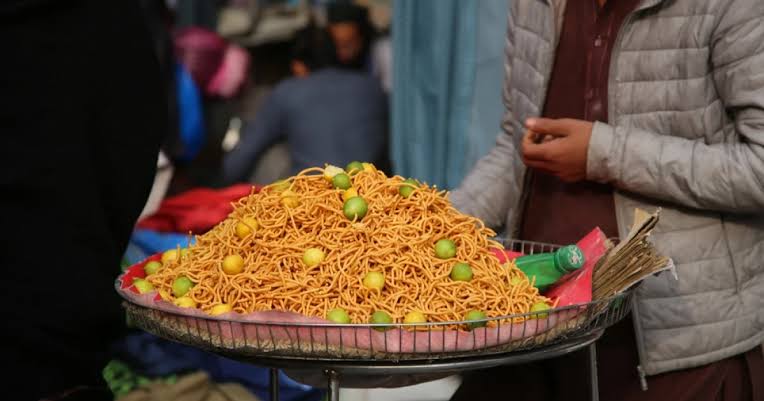
India’s cuisine is both an absolute joy as well as an unpredictable challenge for most of the foreigners who choose to visit the country. The aromas, the colorful markets, and the vast range of regional specialties are simply overwhelming. However, the food is also the reason why many visitors spend several unpleasant days in the hospitals or near the bathrooms instead of sightseeing in the historical center of Agra or relaxing in the Kerala backwaters.
The good news is that an Indian stomach upset is entirely predictable and avoidable. Most of the cases of Delhi Belly occur due to some common mistakes, and the following list includes all the things that should be avoided or limited by the foreign visitors.
Things NOT to Eat or Drink in India
Drinking water from the tap
This piece of advice seems too obvious, but most of the foreigners make common mistakes nonetheless. The water in India is not suitable for direct consumption, and it should not be used for brushing the teeth either. However, it is important to understand that in most of the cases, Indians do not drink the tap water directly as well. Here are the things that should be avoided:
• Drinking water from the tap or using it for any consumption purposes
• Using “ice” in Indian restaurants or bars
• Street vendor juices that may have been prepared using tap water
• Using tap water when showering or bathing (less probable but still possible)
It is better to use the mineral water from the shops because it will significantly reduce the chances of Delhi Belly. It is necessary to pay a special attention to the seal of the bottle or the plastic packaging in case it is not a glass bottle. Some dishonest shopkeepers try to fill the empty plastic bottles with the tap water and sell it as the clean one for the higher price.
Drinking water ice
Although it is entirely similar to the previous point, the ice is a separate category because it is extremely difficult to tell if it was made from the clean or the contaminated water. It is better to avoid it whenever possible, but in many Indian restaurants and hotels, especially the popular ones, “ice” is usually made from the filtered or bottled water, so it is not necessary to refuse it in all the places. It is safer to avoid the ice in the beverages in the outside restaurants and to use the cold water from the bottled water instead.
Raw salads and unwashed fruits
This advice may seem surprising because most of the foreigners consider the vegetables and fruits to be the healthiest options available in the Indian restaurants. However, it is better to avoid the raw salads and fruit that has not been peeled. The reason for it is the tap water that is used for washing almost all the vegetables and fruits unless specified otherwise. The following options are usually available in Indian restaurants and safe for consumption:
• Peeler fruits such as bananas, oranges, pomegranates, etc.
• Cooked vegetables instead of raw salads
• Washed vegetables and fruits if it is possible to see it with your own eyes or if there are any confirmations
In some of the hotels, there is an option of the buffets with salads, but it is better to be careful in the first days and weeks after arrival because not all the restaurants are 100% safe.
Street food that has been pre-prepared and reheated
The problem is not in the street food, but in the pre-prepared and reheated meals that are commonly found in the Indian street restaurants. In many of the Indian street stalls, the menu includes chaat that is cooked in advance and left at a certain temperature until the customer wants to eat it. Here are some additional signs that should be avoided when choosing the food:
• Pre-prepared meals with no visible signs of recent cooking
• Street food stalls with no customers
• Street food with cut fruits that have been left outside for a long time
• Street food with no visible hygiene rules
However, there are also some positive signs that allow choosing the safe street food. In many Indian street restaurants, the food is being cooked at the moment when the customer orders it. High traffic is also a sign of safety because the pre-prepared meals and the ones that have been lying in the closed containers for too long will not be present in such places. The use of rubber gloves or tongs can give a reliable indication as well. If it is possible to choose either between something fried in hot oil or food that has been lying in a hot dish for a long time, it is better to go for the first option.
Unpasteurized milk and dairy products
India is famous for its wide range of dairy products, including paneer, desserts made from milk, and lassi. However, it is important to remember that most of the dairy products are made from the pasteurized milk. Although most of the major cities have a sufficient amount of dairy products made from the clean milk, it is better to avoid the unpasteurized ones in the rural areas. Here are some additional guidelines:
• Chai is always safe because the boiling process kills all the bacteria
• Paneer and dairy products should be chosen in the confirmed places
• Lassi and other drinks made from milk should be ordered in the busy places
It is better to be more careful in the rural areas and small towns outside the major cities when it comes to dairy products. However, in most of the cases, the milk is pasteurized in the big cities, so there is no much to worry about.
Undercooked meat, eggs, and seafood
All the rules about undercooked meat, eggs, and seafood are completely universal and apply to all the visitors to the country. The foreign visitors should be especially careful about the seafood restaurants in the remote places because the fish and other water dwellers may not be fresh enough for the standards of the people from colder countries. The following recommendations apply to the visitors coming to the India:
• Avoid seafood in the inland cities when it is possible
• Avoid undercooked meat and eggs in all the restaurants and street stalls
• Avoid raw or undercooked fish, eggs, and meat in the local street food restaurants
The best and the only safe place to enjoy the seafood in India is the coastal areas such as Kerala, Mumbai, or Goa.
Too much oil and spice (at least in the first days)
These food-related recommendations might not be dangerous, but they are still relatively common causes of the Delhi Belly. Following the Indian diet with all its spices and fried recipes is an experience on its own that requires the adapted system to digest it. However, foreign visitors who want to avoid the uncomfortable side effects should be aware of the following details:
• Avoid eating too much oil and spices on the first days of your visit
• Avoid the regional Indian specialties that are known for their extreme spiciness such as the Andhra Pradesh cuisine in favor of the local mild dishes
• Let your system adapt to the local food in the first few days by ordering the meals with milder seasoning
Golgappa water and ice cream
Golgappa is a popular and beloved Indian street snack that is well-known for making many foreign visitors sick. However, most of the cases are related to the pani, the water that is being used to prepare the most popular street food snack. At least in case of the Golgappa, it is possible to skip the water and still enjoy most of the flavors. However, it is critical to remember that the street vendors use the tap water to prepare it. Therefore, it is better to skip it or try only in the highly recommended stalls with good and ongoing reputation. It is important to pay a special attention to the water when trying the Golgappa because it may cause serious stomach problems.
Alcohol from local liquor shops, especially in the remote areas
Although most of the local alcohol is safe, it is better to avoid the liquor from the local shops. Some of the Indian states have a reputation for having dangerous alcoholic drinks with poison that is only harmful to the stomach. It is better to avoid drinking in the outside places or buying the Indian liquor unless it is well-known. The country has a wide range of local vodka-like or rum-like drinks in the Indian style, but they should only be tried in the safe places.
Essential Tips and Final Words
Some of the tips mentioned below are not related to the food but have a significant impact on the digestion process nonetheless.
• Sanitizer, sanitizing hands before eating, and eating only in the places where it is safe to eat are essential
• Try to take Indian food in the right dose and manner for the first time because spicy Indian food is not an effective way to test the stomach
• It is essential to carry the saline water and some light medication for diarrhea, as well as an overview of the symptoms
• Always follow your common sense and intuition when it comes to food and drink in India
• Drink more water than you usually do
Final Thoughts
None of this is meant to make you anxious about Indian food — quite the opposite. Millions of travelers eat their way through India every year and come away saying the food was one of the best parts of the trip. The goal here is simply to help you enjoy it without losing a few days to an upset stomach.
If you’re planning your first trip and want the guesswork taken out of where to eat, where to stay, and how to move between cities safely, traveling with an experienced tour and travel agency in India can make a real difference — local guides often know exactly which stalls are safe, which restaurants locals actually trust, and how to adjust your itinerary around your comfort level with spice and street food. A well-planned India tour package typically builds in vetted hotels and dining recommendations, so you can focus on enjoying the food rather than worrying about it.
Eat boldly, just eat smart — and the food will end up being one of the best memories you bring home.